
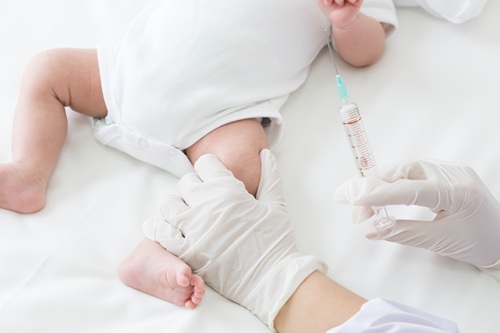
It is completely normal to have questions about the medications and vaccines recommended for your new baby. As your physicians, we want to help you understand the latest updates regarding the Hepatitis B vaccine so you can feel confident in your healthcare decisions.
What is Hepatitis B and Why Does it Matter?
Hepatitis B is a virus that can cause a serious, lifelong liver infection. It is particularly dangerous for our little patients:
- High Risk for Infants: Without the protection of a vaccine, 9 out of 10 infants infected in their first year of life will develop a chronic infection.
- Serious Consequences: These chronic infections can unfortunately damage a baby’s liver, cause liver cancer and even death.
- A Proven Track Record: Since 1991, when the CDC and the American Academy of Pediatrics first recommended universal newborn vaccination, Hepatitis B infections in children and teens have plummeted by 99%.
Understanding the New CDC Guidelines
The CDC recently updated its guidance, specifically regarding the timing of the first dose. It is important to note that the CDC’s Advisory Committee still recommends the vaccine for your baby; they have simply pivoted on when it should be administered based on the mother’s health since they are tested for hepatitis B during pregnancy.
- If the mother tests POSITIVE for Hepatitis B, the baby should receive the first dose at birth per longstanding safety recommendations.
- If the mother tests NEGATIVE for Hepatitis B, the baby should wait until they are at least 2 months old for their first shot.
The Safety Conversation
You may hear different perspectives regarding these changes.
- The Adjustment: Supporters of the new timing suggest that because many babies are at low risk for immediate contraction, we should wait until they are slightly older.
- The Scientific View: Many physicians and scientists point out that the vaccine’s safety is backed by decades of data and its incredible success in reducing childhood infections by 99%. They argue that the shift in timing isn’t necessarily backed by new safety concerns, but rather a change in administrative strategy.
Common Questions From Our Patients
Why does my infant need to be vaccinated against Hepatitis B if I (mother) test negative for it?
Hepatitis B vaccine is recommended for all infants because Hep B is very contagious and hard to detect. Even if infants do not get it from their mother during birth, they can get it from anyone they come in contact with – a family member, caregiver, or another child. The virus can live for days on surfaces and objects. Many people with Hepatitis B don’t know that they have it, which makes the risk of spreading higher.
When the US followed a risk-based birth dose policy before 1991, there were still 18,000 children a year who got infected with Hepatitis B. Half were from mother to child transmission and the other half were from other exposures.
Why does the Hepatitis B vaccine need to be given so soon after birth? Why can’t we wait until my child is 2 months of age?
The short answer is timing is everything when it comes to protecting your baby from infection.
Infants are uniquely vulnerable to this virus. If an adult is infected, they can usually fight it off, with only about 10% developing a chronic infection. However, for a baby, it’s the opposite: 9 out of 10 infected infants will end up with a lifelong chronic infection that can lead to severe issues like liver cancer later in life.
Previously, it was given within 1 week of age, but infections were still happening. The vaccine is most effective when given within 24 hours of birth and for women who have Hepatitis B, the infant should receive it within 12 hours of birth.
Your Next Steps
Every family’s situation is unique. For a more information, you can view the CDC’s full explanation of perinatal Hepatitis B here. If you have questions or concerns, speak with your child’s pediatrician.